Growing a Pollinator-Friendly Landscape in Moore Park
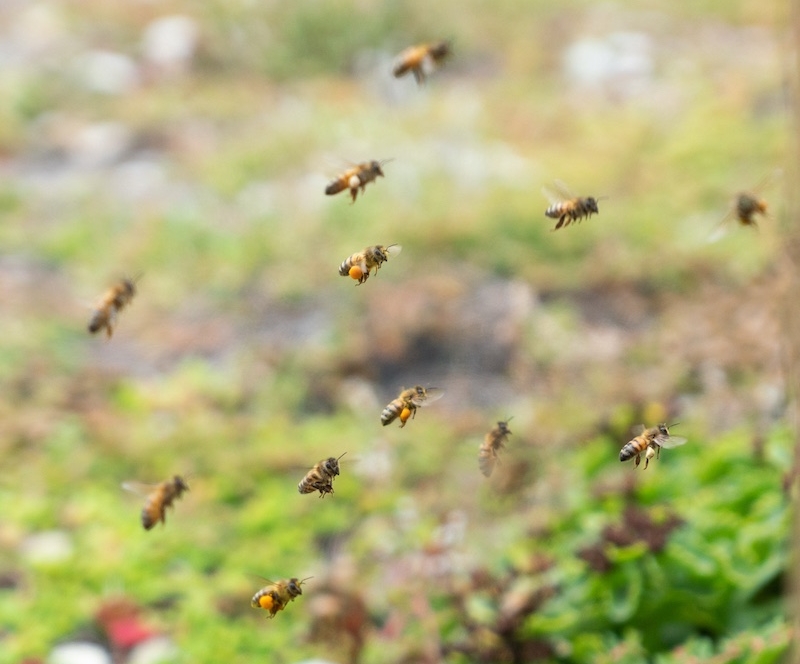
When we think about pollinators, spring and summer often come to mind first: flowers in bloom, bees moving from plant to plant and gardens filled with color. But supporting pollinators is a year-round effort and one we are continuing to expand.
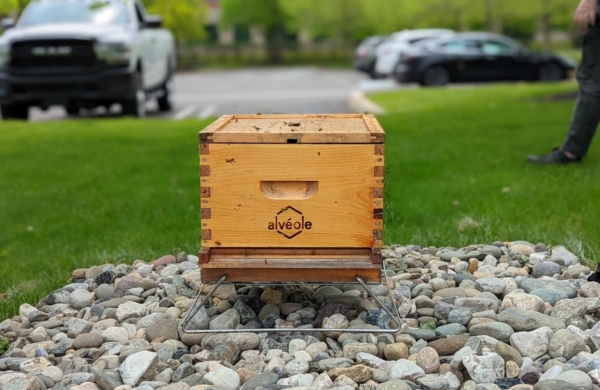
King of Prussia District’s bee initiative brings nature closer to the community while supporting local biodiversity. Throughout the growing season and beyond, we have seen the connection between pollinators and the surrounding landscape play out right outside the hive.
Landscapes surrounding a hive matter. Flowers provide pollen and nectar, while diverse plantings can create a succession of blooms that supports pollinators throughout the growing season.
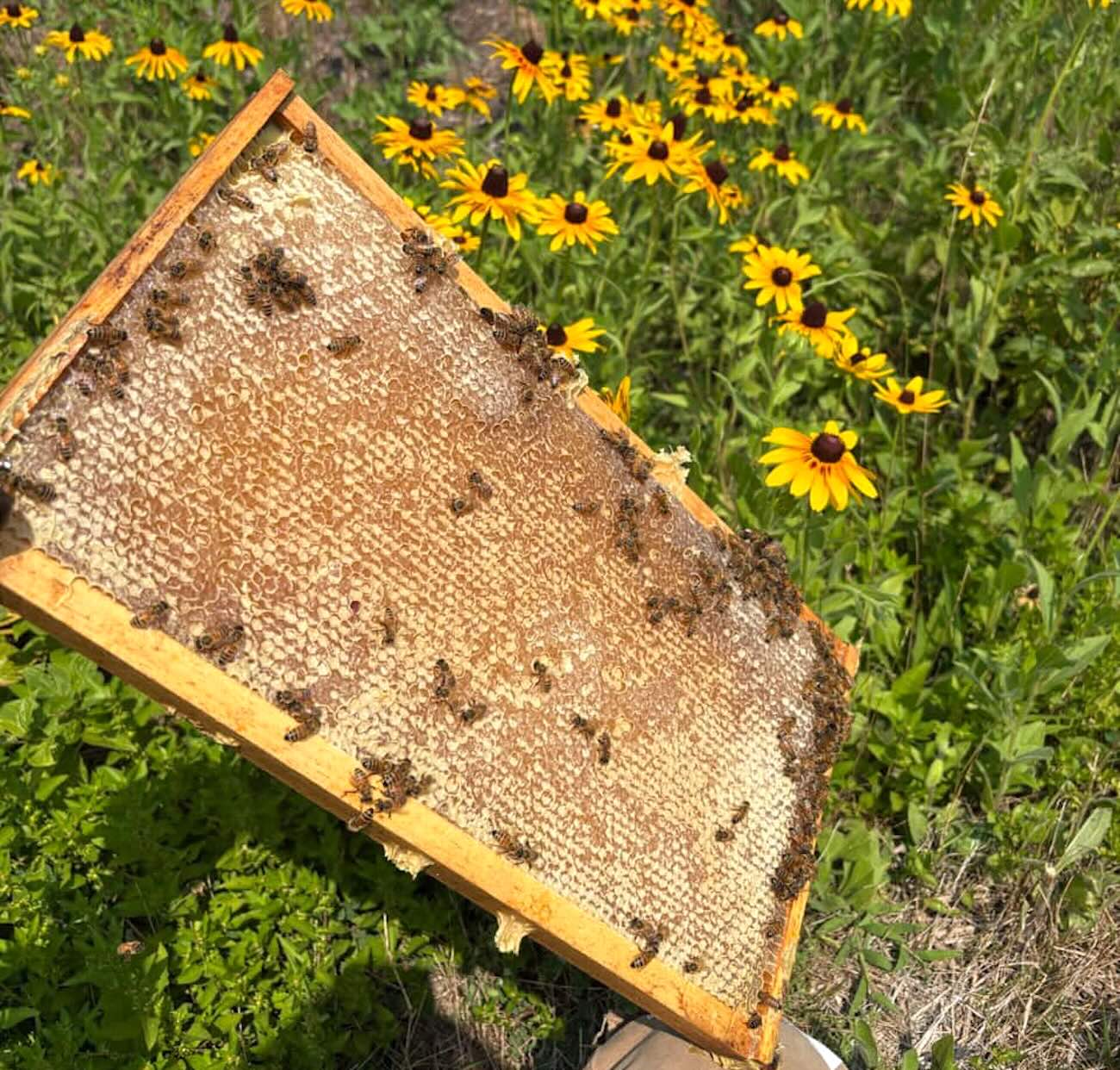
Moore Park will receive new pollinator-focused planting as part of King of Prussia District’s broader pollinator initiative. The planting will include pollinator pocket gardens, or “Bee Havens,” featuring a mix of native and pollinator-supporting plants selected to provide blooms and visual interest across the growing season.
Planting in the fall gives perennials and shrubs time to establish their root systems before winter. By spring, these plants will be ready to grow and begin contributing to a healthier, more diverse landscape.
Next year, interpretive signage and a walking route will help visitors learn more about the flowers, bees and other beneficial insects found throughout the District’s landscapes.
The plants selected for Moore Park will help create a varied landscape with flowers, foliage, texture and seasonal structure. Here are a few of the plants included in this fall’s installation:
Thymus serpyllum ‘Pink Chintz’
A low-growing thyme that creates a colorful groundcover, ‘Pink Chintz’ produces clusters of pink flowers that can provide forage for bees and other pollinators. Its compact growth habit also adds texture and visual interest along planting edges.
Clethra alnifolia ‘Tons Compact’
A compact form of summersweet, this eastern North American native shrub produces fragrant white flowers in summer that attract bees, butterflies, and other pollinators. Its manageable size makes it a useful addition to a diverse planting palette, while its foliage and form provide structure beyond the perennial garden.
Liatris spicata
Also known as dense blazing star, Liatris spicata produces tall spikes of purple flowers in summer that are especially attractive to butterflies and bees. Its upright form adds height and visual interest while contributing valuable mid- to late-summer blooms.
Together, these plants will provide a greater variety of food sources for pollinators while helping create a more resilient and visually engaging landscape.
While the Moore Park honeybee hive is the most visible part of the program, it is only one part of the pollinator story.
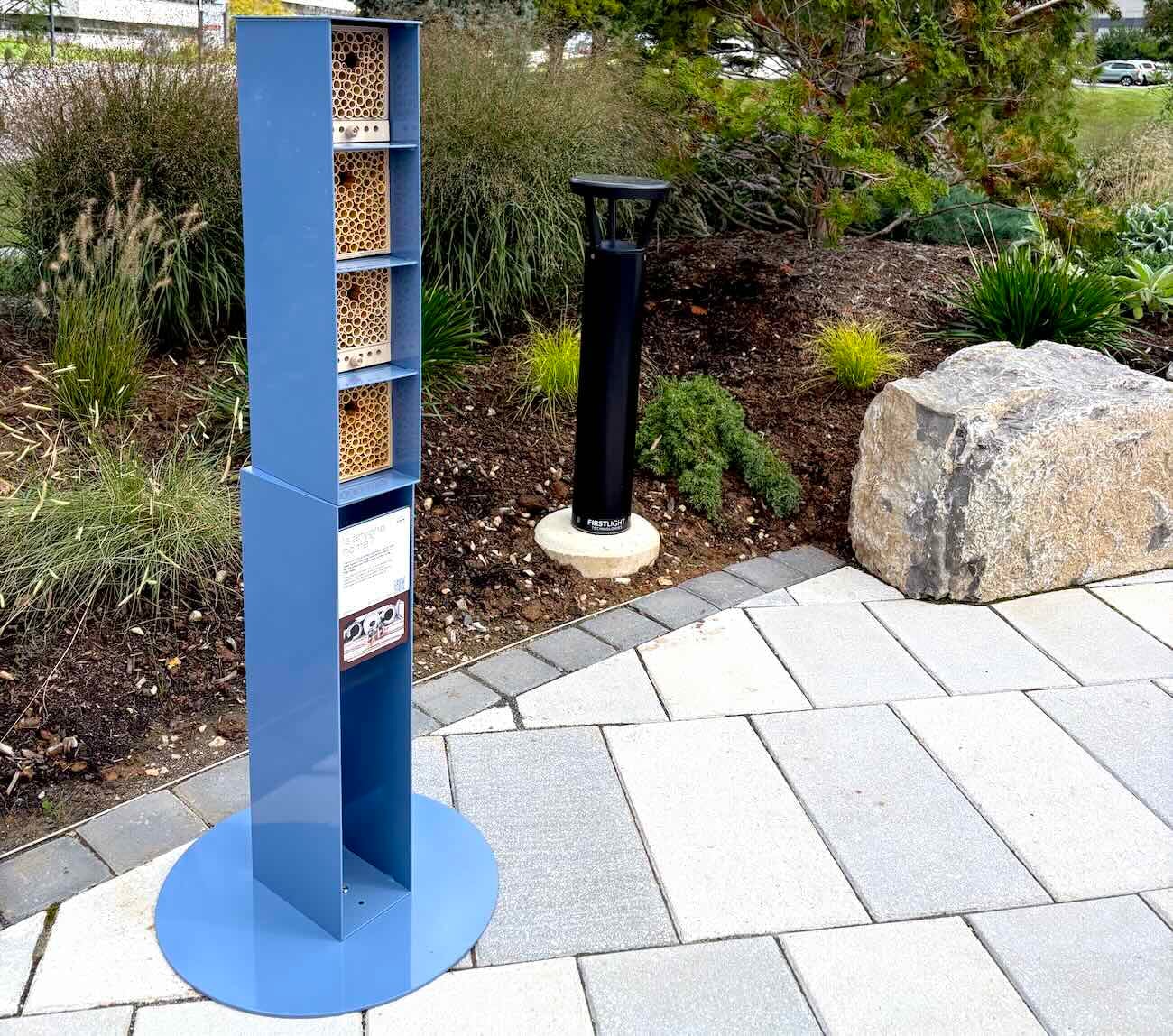
This year, King of Prussia District expanded its educational pollinator efforts with Wild BeeHomes designed to provide nesting space for cavity-nesting native bees, such as mason bees and leafcutter bees. Each BeeHome can hold up to 400 bee cocoons, creating habitats for these beneficial insects while giving visitors another opportunity to learn about pollinators.
Support Pollinators at Home this Fall
Creating a better pollinator habitat is not limited to one park or one program. This fall, consider a few simple ways to support pollinators in your own landscape:
- Choose plants that provide pollen and nectar at different times throughout the growing season.
- Incorporate native plants where appropriate.
- Preserve flowering areas and naturalized spaces when possible.
- Consider whether every area of turf needs to be intensively maintained.
- Look for opportunities to reduce unnecessary mowing.
- Leave some stems, leaf litter and undisturbed ground where appropriate to support nesting native bees.
- Learn more about the bees, butterflies and other pollinators living around you.
- Share what you learn with coworkers, neighbors and the community.
Small changes can become part of something much larger when they are connected.
Related Posts
A Big Step Forward for the Valley Forge Gateway Trail
Get Outdoors this Spring and Summer in KOP
Bees are Back (2x!)
Fresh Air Fitness in King of Prussia

Outdoor Fun, Coming This Spring and Summer
Honey Harvest Marks the End of Bee Season
Fun New Feature Along First Avenue Linear Park
Summer Fitness Series Reinvigorates 2022 Fitness Goals
What’s All the Buzz About?